
Migraine: Why Is One of the World's Leading Causes of Disability Still Dismissed as
"Just a Headache"?
Migraine affects millions of people worldwide and is recognised as one of the leading causes of disability. Yet for many patients, diagnosis and effective treatment can take years.
How can a condition with such a significant impact on daily life still be so widely misunderstood?
For many people, migraine is far more than a headache. Symptoms may include severe pain, nausea, visual disturbances, fatigue, cognitive difficulties, and sensitivity to light and sound. These symptoms can affect education, employment, family life, and overall wellbeing.
Despite this, migraine remains under-recognised and is often minimised by those who have never experienced it. Many individuals continue to face delays in diagnosis, barriers to treatment, and misconceptions about the seriousness of the condition.
Migraine also highlights an important unmet need in healthcare. While advances in neuroscience have improved our understanding of the condition and led to innovative therapies such as CGRP-targeted treatments, many patients still struggle to access timely diagnosis, appropriate treatment, and ongoing support.
At Azurite Health, we believe that research should focus not only on clinical outcomes but also on the lived experiences of patients. Understanding the real-world impact of neurological conditions is essential to improving quality of life and ensuring that innovation reaches those who need it most.
Migraine and Headache Awareness Month is an opportunity to challenge misconceptions, increase understanding, and recognise that conditions which are not always visible can still have a profound impact on people's lives.

MAY - Stroke Awareness Month
Stroke Awareness Month – May 2026
Know the Signs. Act Fast. Save Lives.
May marks Stroke Awareness Month, a time to raise awareness of one of the leading causes of death and long-term disability worldwide.
A stroke happens when blood flow to part of the brain is interrupted, causing brain cells to become damaged or die. According to the World Health Organization, stroke remains a major global health challenge, affecting millions of people every year.
Early recognition can make a critical difference.
The faster treatment begins, the greater the chance of survival and recovery.
Why stroke awareness matters:
- Stroke can happen at any age—not only later in life
- High blood pressure remains the biggest preventable risk factor
- Conditions like diabetes, obesity, and atrial fibrillation increase risk
- Some communities experience higher stroke rates and earlier onset, highlighting important health equity challenges
At Azurite Health, we recognise stroke as both a neurological and public health issue—one that requires better prevention, earlier detection, and equitable access to treatment and rehabilitation.
Know the signs:
Act FAST
🟣 Face – Has the face dropped on one side?
🟣 Arms – Can they raise both arms?
🟣 Speech – Is speech slurred or difficult?
🟣 Time – Call emergency services immediately
This month, we encourage everyone to learn the signs, understand the risks, and support better awareness across all communities.
💬 Follow us on LinkedIn for updates throughout the month.

April: Stress Awareness Month
Understanding Stress. Supporting Better Health.
April marks Stress Awareness Month, a timely reminder of the impact stress has on both mental and physical health. While stress is a normal part of life, chronic or unmanaged stress can contribute to serious health conditions, including cardiovascular disease, anxiety, depression, and weakened immune function.
According to the World Health Organization, prolonged stress can significantly affect overall wellbeing, increasing the risk of long-term illness. In the UK, the Mental Health Foundation highlights that work, financial pressures, and social factors remain key drivers of stress across the population.
However, stress does not affect everyone equally. Individuals in underserved communities often face additional pressures linked to access, inequality, and support systems, making awareness and early intervention even more important.
At Azurite Health, we recognise that addressing stress requires more than awareness, it requires practical support and inclusive approaches. This includes encouraging early conversations, improving access to mental health resources, and designing healthcare solutions that reflect real-world challenges.
Small steps, such as regular movement, rest, and speaking to someone you trust, can make a meaningful difference.
🔗 Learn more and follow our updates: www.azurite-health.co.uk


Women’s Health Is Not a Niche - It Is a Systems Failure
Women’s health is still framed as a specialist interest. A subset. A side stream.
It is neither.
Women make up over half the population, yet health systems, research pipelines, and data models continue to treat female bodies as a deviation from the default. The result is predictable: delayed diagnoses, underpowered evidence, avoidable harm.
This is not a question of awareness.
It is a question of design.
Clinical research historically excluded women for decades. When inclusion improved, analysis often did not. Data was collected but not disaggregated. Outcomes were averaged. Differences were “controlled for” rather than understood.
Health systems then inherited these blind spots.
Women are more likely to:
- experience delayed diagnosis for chronic conditions
- have symptoms dismissed as stress, hormones, or anxiety
- receive treatments optimised for male physiology
- carry the invisible burden of unpaid care while navigating fragmented services
These are not individual failures.
They are structural consequences.
What makes this particularly frustrating is that the solutions are not radical. They are operational.
They include:
- designing studies with sex-specific endpoints from the outset
- treating reproductive and hormonal health as integral, not optional
- building data systems that reflect real lives, not idealised averages
- embedding context, culture, and access into research design as a requirement, not an afterthought
At Azurite Health and AMP² Innovation, our work is centred on translating evidence into practice — addressing the gap between established knowledge and real-world delivery.
Women’s health does not need more slogans.
It needs better infrastructure.
And that starts by admitting the problem is not niche.
It is foundational.
References:
Merone, L., et al. (2022). Sex Inequalities in Medical Research: A Systematic Scoping Review. Systematic review showing continued under-representation and poor reporting of sex and gender in clinical research.
Pinho-Gomes, A. C., et al. (2023). Women’s representation in clinical trials of patients with chronic kidney disease: A participation vs prevalence analysis. Clinical Kidney Journal, 16(9), 1457–1465. Demonstrates that women’s participation in CKD trials is lower than in the underlying disease population, with rare sex-disaggregated analysis.
Monthly Innovation Spotlights Series | January 2026
Infrastructure Is the Innovation

Why Systems Matter More Than Novelty
Innovation in health is often framed as something new and visible:
AI tools, digital platforms, pilot programmes, accelerated trials.
Yet across global health systems, a consistent pattern remains:
Where infrastructure is weak, innovation fails — quietly and expensively.
Multiple global analyses have shown that health outcomes improve not primarily through novelty, but through sustained investment in system capacity — particularly in primary care, surveillance, diagnostics, and data reliability. Where these foundations are absent, new technologies and programmes struggle to scale, fragment services, or fail once funding ends.
By infrastructure, we do not just mean buildings or equipment.
We mean governance that holds under pressure, data systems that reflect reality, care pathways that function end-to-end, and health workforces that are supported rather than stretched.
Our focus is on strengthening the systems that allow research, care, and innovation to function in real-world settings: readiness before speed, continuity before pilots, and long-term partnerships over short funding cycles.
- It is slower.
- It is less visible.
- But it is what allows progress to last.
Because without infrastructure, innovation is just intent.
This is why at Azurite Health, we treat infrastructure as the innovation.
Driving Equity Through Research: Azurite Health in Motion
At Azurite Health, we do more than support research, we reimagine how and where it happens.
This year, we’ve accelerated partnerships across the UK and Africa, expanded our investigator network, and launched AMP² Innovation CIC, our dedicated arm for maternal health, mental health, and antimicrobial resistance. Our initiatives span clinical trial delivery, real-world evidence platforms, and local capacity building.
Through ACREDA, the Academic and Clinical Research & Development Network for Africa, we are deepening research collaborations and knowledge exchange across Uganda, Kenya, Gambia, Nigeria, Ghana, Zambia, and the UK, building a cross-regional ecosystem that embeds context, inclusion, and community into every study we support.
Our current focus is on three key pillars:
- Building tech-powered infrastructure for inclusive research
- Activating our internal freelance database
- Preparing the 2026 launch of AMPCare and PREMPT pilot programmes in maternal and mental health
Let’s move research forward, differently, and together.
📧 Contact us: info@azurite-health.co.uk

October: Health Awareness Month
Breast Cancer and Mental Health

Breast Cancer:
New Tools, Same Urgency
October marks two key global health awareness events: Breast Cancer Awareness Month and World Mental Health Day (10 October). At Azurite Health, we recognise the value of awareness campaigns but we also highlight where progress is being made. This month, we focus on evidence of meaningful change, especially in early detection, access, and support systems.
Breast cancer remains the most commonly diagnosed cancer in women globally. While survival rates have improved in high-income countries, disparities in access to early detection and treatment persist.
Recent developments include:
- AI-assisted mammography: A new multimodal system combining 2D and 3D imaging has demonstrated a 31.7% reduction in false recalls and a 43.8% decrease in radiologist workload.
- Prognostic AI tools: The Prognosia Breast model, recently granted FDA Breakthrough Device status, predicts five-year breast cancer risk using minimal metadata and mammogram imaging with greater accuracy than traditional tools.
- Targeted therapies: New agents such as Camizestrant have shown a 56% reduction in disease progression for certain hormone receptor-positive cases.
These innovations show promise. However, equitable implementation remains a challenge. Investment in infrastructure, cultural competence, and trust-building will determine whether these advances translate into better outcomes for all.
Mental Health: Expanding Access Through Digital Tools
This year’s World Mental Health Day focuses on the theme "Mental health is a universal human right." In line with that, innovation in early detection and digital support tools continues to advance.
Key highlights:
- AI for psychological monitoring: Research is underway to use AI to detect signs of depression and anxiety in breast cancer patients by analysing voice, language, and behavioural cues.
- Culturally adapted therapy platforms: Several emerging digital tools now offer contextually relevant, language-specific mental health support in conflict-affected or underserved regions.
While technology cannot replace trauma-informed care, it can provide scalable, early-stage support in settings where mental health services are limited or absent.

Our Perspective
At Azurite Health, we see awareness as a starting point, not an endpoint. This month, we acknowledge both the emotional and clinical dimensions of breast cancer and mental health — and highlight where innovation is beginning to bridge longstanding gaps in equity.
We continue to monitor the rollout of these tools and advocate for their integration into health systems serving diverse and underserved populations.
References
- arXiv. (2025). Multi‑modal AI for Mammography Screening. https://arxiv.org/abs/2504.05636
- ICT Health. (2025). AI software for breast cancer risk receives breakthrough status. https://www.icthealth.org/news/ai-software-for-breast-cancer-risk-receives-breakthrough-status
- Financial Times. (2025). AstraZeneca’s Camizestrant shows strong trial data. https://www.ft.com/content/9c3b90ba-862e-4249-b07d-d63838956fda
- eCancer. (2025). How AI will transform mental health support for patients with breast cancer. https://ecancer.org/en/news/26927
🧠 World Alzheimer’s Month – September 2025
Understanding, Supporting, and Acting Together.
Understanding, and Supporting

The Human Impact
Each September, World Alzheimer’s Month brings global attention to dementia and the urgent need for awareness, research, and equitable care. With more than 55 million people worldwide living with dementia, a number expected to triple by 2050, the need for collective action has never been greater.
Alzheimer’s doesn’t just affect individuals, it transforms families, communities, and healthcare systems. From memory loss to changes in identity and independence, the journey is deeply personal yet universally challenging. Caregivers, too, face immense pressure, with many reporting stress, isolation, and financial difficulty.
Why Awareness Matters
Alzheimer’s disease is the most common form of dementia, but it is often misunderstood. Stigma and misinformation remain barriers to early diagnosis and quality care. Many families delay seeking help until symptoms progress, which can reduce opportunities for early intervention and support.
For underserved and marginalised communities, the challenges are even greater:
- Lower diagnosis rates due to inequitable access to memory clinics and specialists.
- Cultural stigma that discourages families from seeking support.
- Fewer resources for caregivers who already face economic and emotional strain.
A Call to Action
At Azurite Health, we believe every person deserves dignity, compassion, and access to care. This month, we join the call to:
- 🌍 Raise awareness and challenge stigma.
- 🧪 Support inclusive research that reflects diverse populations.
- 🤝 Provide better resources for caregivers.
- 💡 Advocate for equity in dementia diagnosis and treatment
💬 Together, we can break the silence, fight stigma, and create systems of care that truly support every person and family affected by Alzheimer’s.
August: Psoriasis Awareness Month
Psoriasis is a lifelong autoimmune condition that causes inflamed, scaly patches on the skin. But its impact goes far beyond the surface.
Millions of people live with psoriasis - yet the physical discomfort is often compounded by stigma, isolation, and limited access to appropriate care. In many communities, the condition remains misunderstood or misdiagnosed, especially among Black, Asian, and ethnically diverse populations where symptoms can present differently.
At Azurite Health, we’re marking Psoriasis Awareness Month by spotlighting key challenges and actions:
Inclusive Representation in dermatological trials and educational materials
Equitable Access to diagnosis and specialist care, especially in low-resource areas
Mental Health Support to address the invisible burden of chronic skin disease
We’re committed to supporting a world where no one is sidelined due to a misunderstood condition - and where every body is treated with dignity.
📌 Learn more: National Psoriasis Foundation
📩 Follow us on LinkedIn for insights throughout the month.

July 2025
International Group B Strep Awareness Month

Protecting Newborns Through Awareness, Screening & Equity
Each July, International Group B Strep (GBS) Awareness Month brings global attention to the risks of GBS infection in newborns—a preventable yet serious condition.
Group B Streptococcus is a common bacterium that many people carry without symptoms. But when passed to a baby during labour, it can cause life-threatening infections such as sepsis, pneumonia, or meningitis.
At Azurite Health, we believe every baby deserves a safe start in life. This month, we’re raising awareness of GBS and the steps that can protect both mothers and babies—especially in communities where access to care and screening may be limited.
Why this matters:
- Awareness saves lives: Many parents and even healthcare providers are unaware of the risks of GBS, especially in settings without routine screening protocols.
- Early screening is key: Maternal GBS testing during pregnancy can lead to timely antibiotic treatment in labour, dramatically reducing the risk to the baby.
- Equity matters: Black women and families in low-resource settings face a greater burden of maternal and newborn complications. Addressing GBS is one important step toward more equitable maternal health outcomes.
We’re committed to amplifying knowledge, promoting prevention, and closing awareness gaps—because health equity begins at birth.
💬 Follow us on LinkedIn: Azurite Health | LinkedIn for more updates throughout the month.
Learn more: Group B Strep Awareness - Group B Strep International



June Health Awareness – Men’s Health

June marks an important opportunity to reflect on the health and wellbeing of men across the UK and beyond. With Men’s Health Week (9–15 June 2025) and Father’s Day on the 15th, we’re taking time this month to shine a spotlight on the physical and emotional challenges many men face—often in silence.
At AMP² Innovation by Azurite Health, we’re using June to open up honest conversations, break stigma, and share resources that can make a real difference.
🔍 Why it matters
Men are less likely to access health and mental health services—often due to stigma, cultural barriers, or a lack of targeted support. Referral data highlights a notably low number of men engaging with mental health support services, especially from Black African and Caribbean communities. By raising awareness this June, we hope to bridge that gap and encourage more men to access the care they deserve.
💬 What we’re doing
On Monday 9 June, we’re hosting a 30-minute online session:
Beyond the Gym: Supporting Men’s Mental and Physical Health
This informal, interview-style discussion features insights from our Community Outreach Manager, James Hanlon, and will explore:
Real talk on stress, identity, and silent struggles
How to access free health checks and mental health support
Small steps every man can take this week
Signposting to trusted services like Samaritans (national) and Time to Talk (Greenwich, UK only)
📍 Where: Online via Microsoft Teams Beyond the Gym: Supporting Men’s Mental and Physical Health
🕐 When: Monday, 9 June 2025, 18:00–18:30 (BST)
Join us in supporting men’s health this month—and beyond.

May: Health Awareness
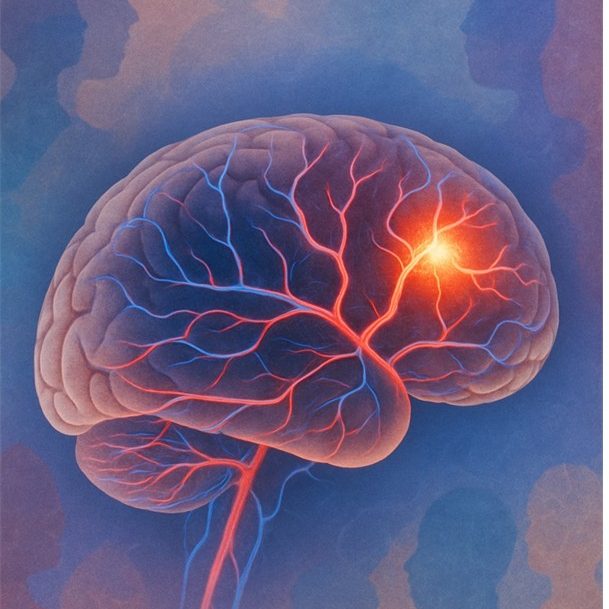
Action on Stroke Month: Spot the Signs, Save a Life

May is Action on Stroke Month in the UK—a time to raise awareness about one of the leading causes of death and long-term disability. While stroke affects people across all walks of life, research shows that individuals from African, Caribbean, and South Asian backgrounds are more likely to experience strokes at younger ages and face worse outcomes, often due to delayed diagnosis, unequal access to care, and gaps in post-stroke support.
🧠 What Is a Stroke?
A stroke happens when the blood supply to part of the brain is cut off, leading to brain cell damage or death. There are two main types:
- Ischaemic stroke – caused by a blockage (most common)
- Haemorrhagic stroke – caused by bleeding in or around the brain
⚠️ Recognise the Signs – Act FAST
Quick recognition can save lives and reduce long-term damage. The FAST test is a simple way to identify symptoms:
- F – Face: has it fallen on one side?
- A – Arms: can they raise both arms?
- S – Speech: is it slurred or confused?
- T – Time: call 999 immediately
Even one of these signs is reason to act. Stroke is a medical emergency, and every minute counts.
🌍 Inequities in Stroke Care
According to the Stroke Association and Public Health England, people of African, Caribbean, and South Asian heritage not only face a higher risk of stroke, but also systemic barriers that can lead to delayed diagnosis and treatment. Risk factors like hypertension, diabetes, and sickle cell disease are often underdiagnosed or poorly managed in these populations.
At Azurite Health, we advocate for:
- Culturally appropriate stroke education
- Earlier screening and better risk factor management
- More inclusive clinical research
- Equitable access to post-stroke rehabilitation

🔄 Working Toward Equity
Stroke doesn’t discriminate—but health systems often do. By addressing these gaps in awareness, access, and treatment, we can help ensure that more people receive the care they need—when they need it most.
This Action on Stroke Month, we’re calling for better education, earlier action, and a stronger commitment to equity in stroke prevention and recovery.
📩 Interested in collaborating with us on outreach or clinical initiatives? Email info@azurite-health.co.uk
📚 References:
- Stroke Association. (2025). Ethnicity and Stroke.
https://www.stroke.org.uk/what-is-stroke/are-you-at-risk/ethnicity-and-stroke - NHS. (2025). Stroke – Symptoms and FAST Test.
https://www.nhs.uk/conditions/stroke/ - Public Health England. (2024). Health Inequalities and Stroke Risk.
https://www.gov.uk/government/publications/stroke-prevention-pack
April: Testicular Cancer Awareness Month

Breaking the Silence on Men’s Health
Signs and Symptoms to Watch For
Testicular cancer may be one of the less common forms of cancer, but for young men aged 15 to 49, it is the most frequently diagnosed cancer in the UK. Despite its high survival rate when caught early, a lack of awareness and ongoing stigma around men's health continues to delay diagnosis and treatment.
Signs and Symptoms to Watch For
Early detection is vital. Key symptoms include:
A lump or swelling in the testicle (usually painless)
A heavy feeling in the scrotum
Discomfort or pain in a testicle or the scrotum
A sudden collection of fluid in the scrotum
Many men delay seeking help out of embarrassment or fear. Raising awareness can help overcome these barriers.
Understanding Testicular Cancer
Equity, Access, and Awareness
Testicular cancer begins in the testicles (testes), part of the male reproductive system. Most cases are either seminomas or non-seminomas, and early-stage cancers are highly treatable. According to Cancer Research UK, around 2,400 men are diagnosed each year in the UK, with a survival rate of more than 95% if caught early.
At Azurite Health, we understand that health outcomes improve when communities are informed and engaged. Men from marginalised backgrounds—particularly Black, Asian, and other minority ethnic communities—may face additional barriers to accessing timely healthcare. Culturally sensitive outreach and awareness campaigns are essential to ensure early detection isn’t a privilege, but a standard.
We also believe education must start early, especially for young people who often receive little information about testicular health in school or public health messaging.
Moving the Conversation Forward
Moving the Conversation Forward
Throughout April, Testicular Cancer Awareness Month gives us the opportunity to break down stigma and promote open dialogue. Whether through clinical education, culturally inclusive materials, or digital health tools, we all have a role to play.
Let’s keep the conversation going—because talking about it could save a life.
References:
Cancer Research UK (2024). Testicular Cancer Statistics. Retrieved from https://www.cancerresearchuk.org/health-professional/cancer-statistics/statistics-by-cancer-type/testicular-cancer
NHS UK (2024). Testicular Cancer – Overview. Retrieved from https://www.nhs.uk/conditions/testicular-cancer/
Orchid (2024). Fighting Male Cancer. Retrieved from https://www.orchid-cancer.org.uk/testicular-cancer/
📩 For collaboration or outreach opportunities, contact us at info@azurite-health.co.uk


🌍 March: Brain Tumour Awareness Month 🌍
🔬 The Challenge of Brain Tumours
March marks Brain Tumor Awareness Month in the UK, a time dedicated to raising awareness about one of the most complex and least understood cancers. Despite medical advancements, brain tumors remain a leading cause of cancer-related deaths in children and adults under 40, with survival rates lagging behind other forms of cancer (Macmillan Cancer Support, 2025).
A brain tumour is a mass of abnormal cells growing in the brain. They can be benign (non-cancerous) or malignant (cancerous), but both types can significantly impact brain function due to their location.
Key statistics:
📌 Over 12,000 people in the UK are diagnosed with a primary brain tumour each year.
📌 Brain tumours are responsible for more years of life lost than any other cancer due to their high impact on young people (Macmillan Cancer Support, 2025).
📌 Survival rates have barely improved in over 40 years, emphasising the need for further research and innovation.
🧠 Early Detection & Diagnosis: The Key to Better Outcomes
Early detection can make a critical difference in treatment success. However, symptoms of brain tumours can be vague and often resemble other conditions, leading to late diagnoses.
🚨 Common symptoms include:
- Persistent headaches that worsen over time
- Unexplained nausea or vomiting
- Seizures or vision problems
- Memory or cognitive difficulties
🔍 According to NHS Shropshire, Telford & Wrekin, understanding the symptoms and seeking medical advice early can improve diagnostic outcomes (NHS Shropshire, Telford & Wrekin, 2025).
Building a Healthier Future Together
Brain tumour treatment remains one of the most underfunded areas of cancer research. However, recent breakthroughs in AI, precision medicine, and immunotherapy are providing hope.
Promising innovations include:
✅ AI-driven diagnostics: Advanced machine learning models are improving tumour detection in MRI scans.
✅ Targeted therapies: Precision medicine allows for tailored treatments based on genetic tumour profiles.
✅ Immunotherapy: Researchers are exploring new ways to boost the immune system’s response to brain tumours.
🚀 Collaboration between biotech firms, research institutions, and clinical trial networks is crucial in accelerating these innovations.
🤝 How We Can Make a Difference
At Azurite Health, we are committed to supporting advancements in clinical research, technology-driven healthcare solutions, and equitable access to treatments. Brain tumour research needs more funding, collaboration, and patient-centred innovation to create real change.
🔹 Support brain tumour research initiatives
🔹 Advocate for more funding in neuroscience and oncology
🔹 Raise awareness about early detection
Let’s work together this March to raise awareness, spread knowledge, and empower everyone to prioritize their health. Together, we can make a difference. 🌟
If you have any questions or learning more about inclusive clinical research, please contact us at info@azurite-health.co.uk📜✅
References:
Macmillan Cancer Support. (2025). Brain Tumour Awareness Month: Raising Awareness & Supporting Patients: https://www.macmillan.org.uk/cancer-awareness/brain-tumour-awareness-month
NHS Shropshire, Telford & Wrekin. (2025). Brain Tumour Awareness Month: Do You Know the Signs and Symptoms?: https://www.shropshiretelfordandwrekin.nhs.uk/brain-tumour-awareness-month-do-you-know-the-signs-and-symptoms/

Therapeutic Areas Experience
Our team at Azurite Health has decades of experience across a wide range of therapeutic areas, including:
Oncology
Colorectal Cancer, Malignant Mesothelioma, Non-Small Cell Lung Cancer, Small Cell Lung Cancer, Breast Cancer, Ovarian Cancer, Pancreatic Cancer.
Cardiovascular
Post Myocardial Infarction, Hypertension, Cardiovascular Plaque Burden, CHF, Valve Repair and Replacement.
Respiratory
Pulmonary Arterial Hypertension, COPD.
Endocrine/Metabolic
Homozygous Familial Hypercholesterolemia, Type 2 Diabetes.
Infectious Diseases
Malaria, Influenza, Human Rhinovirus, HIV.
Mental Disorders & Nervous System
Fibromyalgia, Addiction, NMO, Migraine, Depression, Schizophrenia, Dementia.
Women’s Health
Early Labour, Pre-eclampsia, IVF, HRT, Osteoporosis.
Renal
End-Stage Renal Disease, Renal Failure.
Devices
AI Algorithms, Artificial Heart Valves.
Rare Disease Expertise
Our team is proud to bring specialized expertise in advancing research for rare diseases, addressing conditions that require focused and innovative approaches. This includes:
• ROS1 (a gene fusion in Non-Small Cell Lung Cancer)
• Homozygous Familial Hypercholesterolemia
• Neuromyelitis Optica (NMO)
• Fibrodysplasia Ossificans Progressiva (FOP)
• Primary Biliary Cholangitis (PBC)